




Electricity generation through renewable energy: A sustainable path towards a brighter future
Renewable energy is an inexhaustible and clean source for electricity generation, rapidly becoming a cornerstone of global energy supply. In an era where environmental concerns and climate change have reached their peak, generating electricity through renewable energy and clean energy sources is not just a smart choice, but a vital necessity. These clean energy sources, unlike fossil fuels, have fewer destructive environmental impacts and can shape a more sustainable and brighter future for generations to come.
Solar energy: The radiance of panels for clean electricity generation.
Solar energy, as the most abundant renewable energy source and a clean energy resource, converts sunlight directly into electricity using solar panels. Solar power plants, in large and small scales, from rooftops to vast solar farms, are expanding worldwide. Electricity generation through renewable energies is not only clean and pollution-free, but the availability of sunlight in many parts of the world makes it a very attractive option. More advanced technologies, such as thin-film solar cells and energy storage systems, are continuously increasing the efficiency and reliability of this energy source.
Wind energy: Giant turbines in service of green electricity generation.
Wind power, another powerful and clean source for electricity generation. Giant wind turbines capture wind energy, converting it into mechanical energy and then into electricity. Onshore and offshore wind farms, especially in windy regions, play a significant role in wind power generation. This technology is rapidly advancing, with new wind turbines offering higher power and efficiency, enabling wind energy utilization in more areas. Wind energy, as a renewable and clean resource, significantly contributes to reducing reliance on fossil fuels and achieving sustainable electricity production.
Hydro energy: The power of flowing waters for renewable electricity generation
Hydropower is one of the oldest and most reliable methods of generating renewable electricity. Hydropower plants use dams and turbines to convert the potential and kinetic energy of water into electricity. As a clean and reliable energy source, hydropower plays a significant role in supplying electricity to many countries. Although the construction of large dams may have its own environmental impacts, small hydropower plants and modern methods of utilizing the energy of flowing waters offer more sustainable solutions for using this energy source.
Geothermal energy: The heat from the Earth’s depths, a stable source for electricity generation
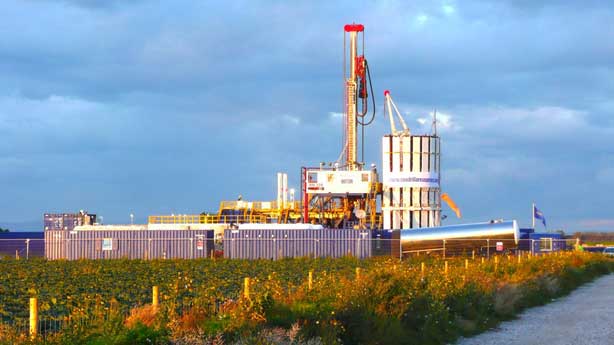
Geothermal energy utilizes the heat stored deep within the Earth to generate electricity. Geothermal power plants access underground reservoirs of hot water or steam by drilling wells, and use this to drive turbines and produce electricity. Geothermal power generation is a stable and reliable energy source, particularly in regions with suitable geological activity, where it holds significant potential. This type of energy produces electricity continuously and independently of weather conditions, and can play a crucial role in providing sustainable electricity.
The numerous benefits of generating electricity from renewable energies
Generating electricity from renewable energies has numerous advantages that make it a superior choice compared to fossil fuels:
Reduction of air pollution and greenhouse gases: Renewable energies, unlike fossil fuels, produce very few air pollutants and greenhouse gases during electricity generation, contributing to the mitigation of climate change.
Inexhaustible and sustainable sources: Renewable energies utilize natural and replenishable resources such as sunlight, wind, water, and geothermal heat. Unlike the finite resources of fossil fuels, these are perpetually available.
Energy security and reduced import dependency: The stable domestic production of renewable energy reduces reliance on fossil fuel imports, thereby enhancing energy security.
Job creation and economic development: The renewable energy industry creates new employment opportunities in manufacturing, installation, maintenance, and research and development, contributing to the economic growth of various regions.
Reduction of long-term energy costs: Despite initial investment costs, renewable energies can be more cost-effective than fossil fuels in the long term due to reduced fuel and maintenance expenses.
Challenges and obstacles in the development of renewable energies
Despite their numerous advantages, the development of renewable energies also faces challenges and obstacles:
- Initial investment costs: Renewable energy technologies, particularly in their early stages of development, require high initial investment.
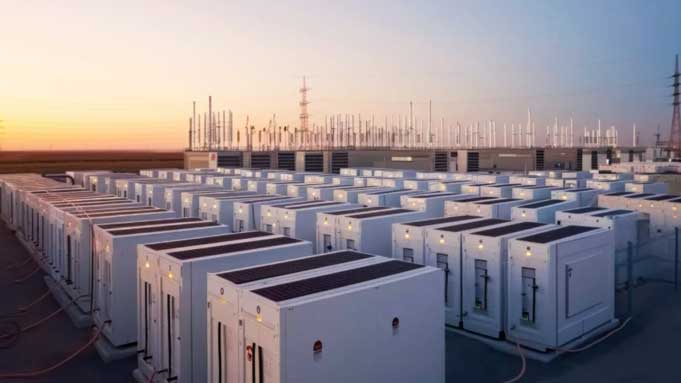
- Extensive infrastructure requirements: The development of renewable energies requires the establishment of extensive infrastructure for electricity transmission and distribution, as well as energy storage systems.
- Locational and geographical limitations: Some renewable energy sources, such as geothermal and hydro, have higher potential in specific regions of the world.
- Resistance to change and vested interests: The transition to renewable energies may face resistance from vested interest groups in the fossil fuel industries and traditional energy policies.
A brighter future with renewable energies
Despite the existing challenges, the global trend towards the development of renewable energies is a definite one. Technological advancements have accelerated. Costs have decreased significantly. Public awareness of environmental issues has increased. Supportive government policies have also played a significant role. All of these factors have accelerated the consolidation of renewable energies. These sources are rapidly becoming the main pillars of global energy supply. The transition to renewable energies is more than just a responsible environmental choice; it is also a huge economic opportunity. An opportunity for the flourishing of emerging industries, the creation of widespread employment, and the achievement of sustainable development. To achieve a brighter and cleaner future, investment is essential: investment in research and development, improvement of vital infrastructure, and the adoption of smart support policies. By relying on renewable energies, this future will be within reach. Our experts are ready to be with you on the path to generating electricity through renewable energies.
Resources