
آخرین نوشته‌ها

Generating electricity through solar thermal energy

زمان مطالعه: 6 دقیقه
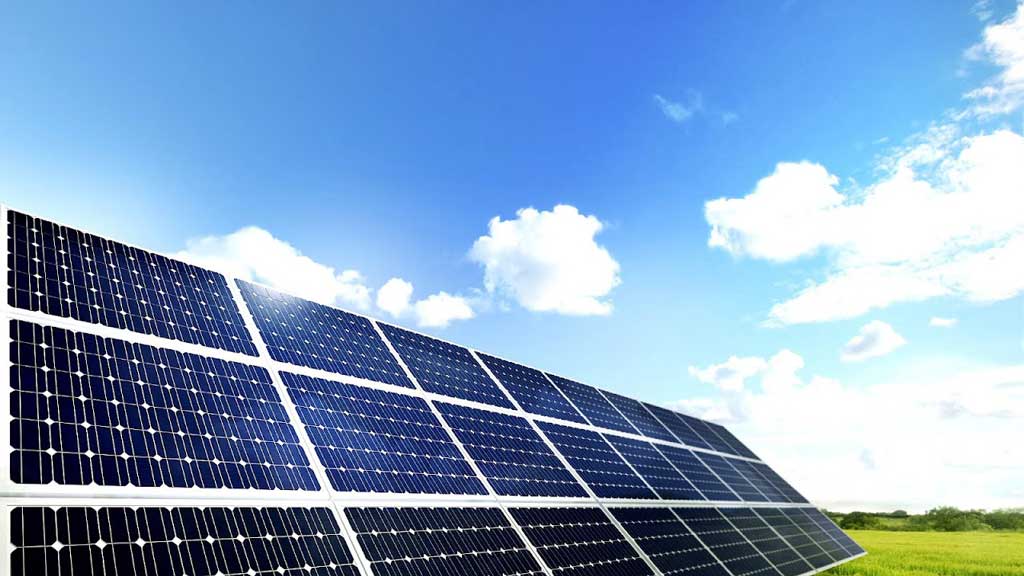
انرژی حرارتی خورشیدی
امتیاز مطلب


Solar thermal energy: A sustainable solution for heating and electricity generation

The sun, the primary source of energy in our solar system, provides not only light but also abundant heat to the Earth. Solar thermal energy refers to harnessing this heat for various applications, from heating water and spaces to generating electricity on a large scale. This form of solar energy, considered a renewable and clean energy source, plays a vital role in reducing our reliance on fossil fuels and combating climate change. In this article, we delve deeper into solar thermal energy, how it works, its types of systems, advantages, challenges, and its place in the future of energy.

How does solar thermal energy work?

The fundamental principle in harnessing solar thermal energy is the absorption of solar radiation and its conversion into heat. This is typically done by devices called solar collectors. Solar collectors absorb sunlight and convert its energy into heat. This heat is then transferred to a fluid (such as water or antifreeze). This heated fluid transfers the heat to where it is needed (e.g., a hot water tank or a building heating system).

Main components of solar thermal systems

A solar thermal system typically includes the following components:

  1. Solar collectors: Devices that absorb sunlight and convert it into heat. There are different types, including flat-plate collectors and evacuated tube collectors.
  2. Heat transfer system: Piping and a fluid that transfers heat from the collectors to the point of use or storage.
  3. Heat storage system: Tanks or materials that store the collected heat for use at times when the sun is not shining (night or cloudy days).
  4. Distribution system: Pumps, heat exchangers, and piping that deliver heat to end-use points.
  5. Control system: Devices that regulate and optimize the system’s operation.
Types of systems and applications of solar thermal energy

Solar thermal energy can be used at various scales and temperatures:

  • Low-temperature systems (up to approximately 60 degrees Celsius): The primary application of these systems is solar water heating, which is done using solar water heaters. These systems are very common in homes, hotels, and swimming pools.
  • Medium-temperature systems (up to approximately 150 degrees Celsius): These systems are used for space heating in large buildings, preheating industrial fluids, and certain industrial processes.
  • High-temperature systems (above 150 degrees Celsius): These temperatures are typically achieved using concentrating solar collectors (which focus sunlight at a point or line) and are primarily used in concentrated solar power (CSP) plants for electricity generation. Common types of CSP plants include parabolic trough, power tower, dish, and linear Fresnel. These power plants use the heat to generate high-pressure steam, which drives steam turbines to produce electricity.
Main advantages of solar thermal energy

Using this energy source has significant advantages:

  • Clean and environmentally friendly: These systems do not produce any greenhouse gases or pollutants during operation, helping to improve air quality and reduce the effects of climate change.
  • Reduced energy costs: After the initial installation, the energy source (the sun) is free, and the costs of gas or electricity bills for heating are significantly reduced.
  • Renewable and sustainable energy source: The sun will continue to shine for billions of years, making this an inexhaustible energy source.
  • Diverse applications: From heating water in a small home to powering a large city, solar thermal energy has extensive capabilities.
  • Energy storage capability: Solar collector systems easily allow for heat storage for use during times without sunshine, which is a major advantage over some other variable renewable sources.
Challenges and limitations

Despite its many advantages, solar thermal energy also faces challenges:

  • Dependence on solar radiation: The amount of energy produced is highly dependent on weather conditions and the hours of sunshine during the day and different seasons.
  • Initial installation cost: The cost of purchasing and installing solar thermal systems, especially on a large scale or with more advanced technologies, can be high.
  • Need for space: Solar collectors require a relatively large area for installation, whether on rooftops or in solar farms.
  • Maintenance: Some systems, especially more complex ones, require regular maintenance.
  • Geographical limitations: System efficiency depends on the amount of solar radiation in the geographical area.
The role of solar thermal energy in the future of energy.

Solar thermal energy will play an increasing role in the future as one of the main pillars of the transition to a sustainable energy system. This technology is not only an effective solution to meet heating needs, but with advances in heat storage technologies, it can become a reliable source for generating base load power in solar thermal power plants. Integrating solar thermal systems with other renewable sources and smart grids will ensure the security and stability of the future energy system.

Conclusion

Solar thermal energy is a great and versatile way to harness the free heat of the sun. By solving current problems through research, advancement, and government support, solar thermal energy will certainly find a more important place among the world’s energy sources and help build a warmer (in terms of warmth, not temperature!) and cleaner future for us all. Our experts are available to answer your questions if you need advice, whether in the home or industrial sector.

Resources

International Energy Agency (IEA)

International Renewable Energy Agency (IRENA)

Leave a Reply

Your email address will not be published. Required fields are marked *

Fill out this field
Fill out this field
Please enter a valid email address.

keyboard_arrow_up