


Hydrogen power generator: A clean future for energy production
Hydrogen plays a key role as an energy carrier in the search for more sustainable and cleaner solutions to meet the world’s growing energy needs. Hydrogen, the most abundant element in the universe, has the ability to release significant energy without producing harmful pollutants (except for water). A hydrogen power generator refers to a system that generates electrical energy by utilizing hydrogen. This technology, especially relying on fuel cells, has the potential to create a fundamental transformation in the field of energy production and consumption and can play a vital role in reducing dependence on fossil fuels and addressing the challenges of climate change. This article examines the mechanism of operation of these generators, their advantages, challenges, and their place in the future energy landscape.
How do hydrogen power generators work?
Hydrogen power generators typically generate electricity from hydrogen using fuel cells. A fuel cell is an electrochemical device that directly converts the chemical energy from the reaction of hydrogen and oxygen into electricity, water, and heat, without combustion taking place.
The overall process in a hydrogen fuel cell is as follows:
- Entry of hydrogen and oxygen: Hydrogen (as fuel) enters the anode (positive electrode), and oxygen (usually from the air) enters the cathode (negative electrode).
- Reaction at the anode: At the anode, hydrogen is broken down into protons (hydrogen ions) and electrons with the help of a catalyst (often platinum).
- Movement of protons: Protons move towards the cathode through an electrolyte membrane (which only allows protons to pass).
- Electron flow: Electrons cannot pass through the membrane and must move through an external circuit. This electron flow is the electricity generated.
- Reaction at the cathode: At the cathode, protons, electrons (coming from the external circuit), and oxygen combine to produce water (H₂O) and heat.
The main result of this process is DC electricity, pure water, and some heat. You can connect several fuel cells together (in series or parallel) to provide the required voltage and current for different tasks, creating a hydrogen power generator with a specific capacity.
Types and applications of hydrogen power generators
Hydrogen power generators, based on the type of fuel cell and their size, have applications in various places:
- Stationary power plants: These, on a large scale, supply electricity to buildings, data centers, or even the power grid. These power plants can serve as power generation sources in different regions or act as backups.
- Portable and emergency generators: These are smaller and provide backup power during outages, or serve as power sources in remote locations without access to the grid.
- Transportation applications: Although we don’t directly call them ‘power generators’, in hydrogen cars, buses, trains, and ships, fuel cells are used to produce the electricity needed for electric motors.
- Portable electronic devices: Smaller fuel cells supply electricity to laptops, mobile phones, and other electronic devices.
Main advantages of hydrogen power generators
Using a hydrogen generator has significant advantages:
- Zero or very low pollution: The main output of a fuel cell is water. This means that at the point of use, greenhouse gases (like CO₂) and local pollutants (like NOx and fine particles) are not produced. This helps improve air quality and reduce environmental impacts.
- High efficiency: Fuel cells can convert chemical energy into electricity more efficiently than traditional engines or gas turbines. In systems that produce both electricity and heat (CHP), the overall efficiency becomes very high.
- Quiet and vibration-free operation: Fuel cells have few moving parts and are very quiet when operating.
- Flexibility and reliability: Hydrogen power generators can be quickly started and stopped. This feature is suitable for providing stable power in critical applications.
- Energy storage capability: We can use hydrogen as an energy storage medium. Excess energy can be used to produce hydrogen from water through electrolysis. Later, when needed, this hydrogen can be used in a hydrogen generator to produce electricity.
Challenges and considerations to keep in mind
Despite its high potential, the widespread development of hydrogen power generators faces several challenges:
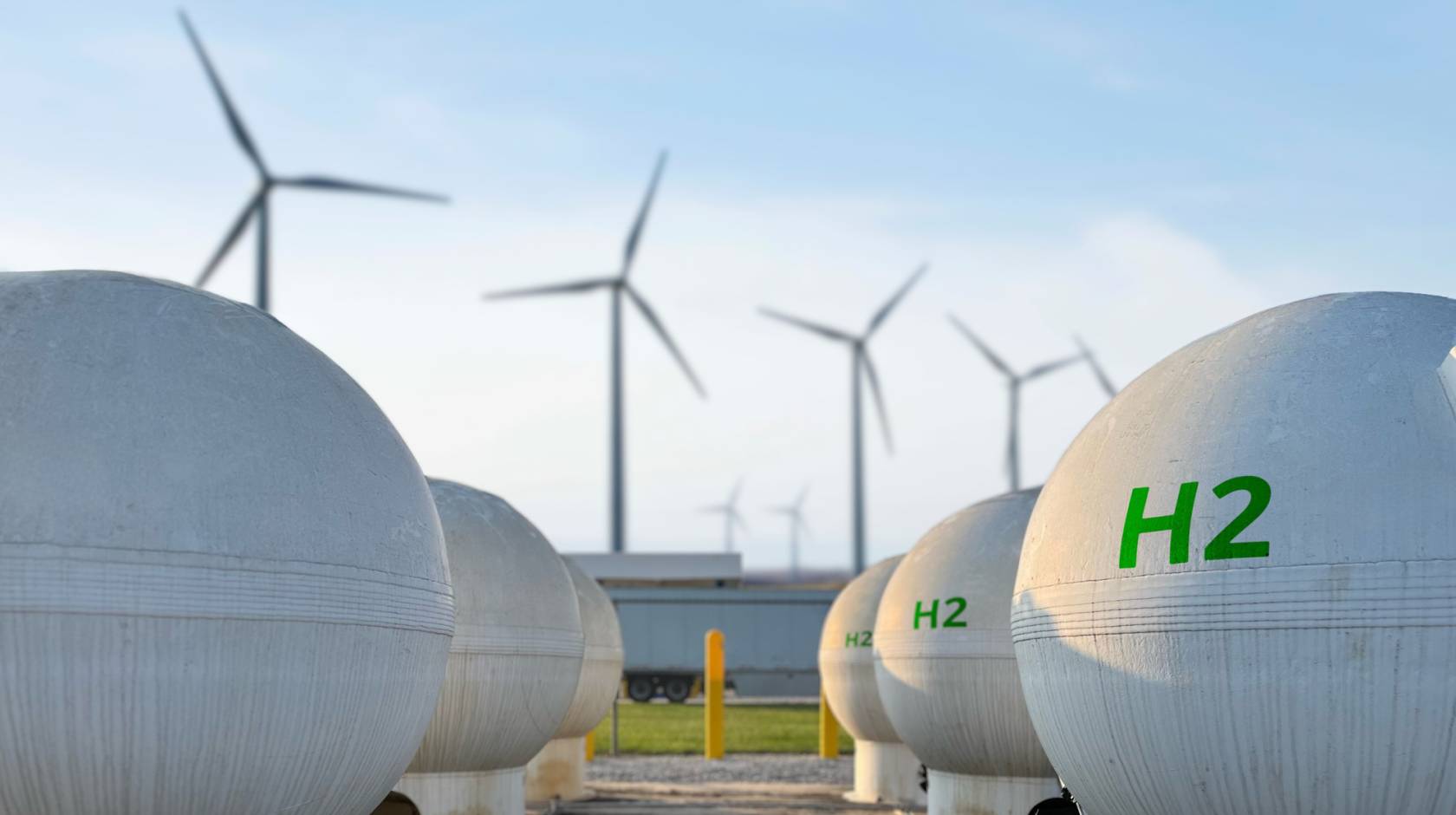
- Producing Clean Hydrogen: Most of the hydrogen we currently produce comes from fossil sources (like natural gas), and the production process generates pollution (gray hydrogen). For hydrogen to be truly clean (green hydrogen), it needs to be produced from renewable sources (for example, using solar or wind power for water electrolysis), but currently, this method is more expensive.
- Storage and Transportation: Gaseous hydrogen is very light. Storing and transporting it in a compressed or liquid form requires advanced technologies and expensive infrastructure.
- Initial Cost: The purchase and installation of hydrogen power generators (especially fuel cells) are currently more expensive compared to conventional generators. However, we expect that with advancements in technology and increased production, these costs will decrease.
- Infrastructure: We need to build the necessary infrastructure for the production, storage, transportation, and distribution of hydrogen on a large scale.
Conclusion
Hydrogen power generators, using fuel cell technology, offer a strong and clean solution for electricity generation. Its advantages, such as producing no pollution at the point of use, high efficiency, and flexibility, make it an attractive choice for the future of energy. To expand this technology, we must overcome the challenges related to hydrogen production, storage, and cost. With continuous advancements, the hydrogen generator actively paves the way for a future with cleaner and more sustainable energy. Our experts at Tose’e Payam Asia are with you on the path to green energy.