


Electricity generation through wind energy: Harnessing the power of nature for a clean future.
In the search for clean and renewable energy sources, wind energy has found a special place as one of the oldest and most effective methods for generating electricity. Wind, a natural phenomenon resulting from air pressure differences and the movement of atmospheric masses, has enormous potential for providing sustainable energy. But how can we harness this invisible force of nature and convert it into electrical energy that keeps our homes and industries illuminated?
What is wind energy and how is it converted into electricity?
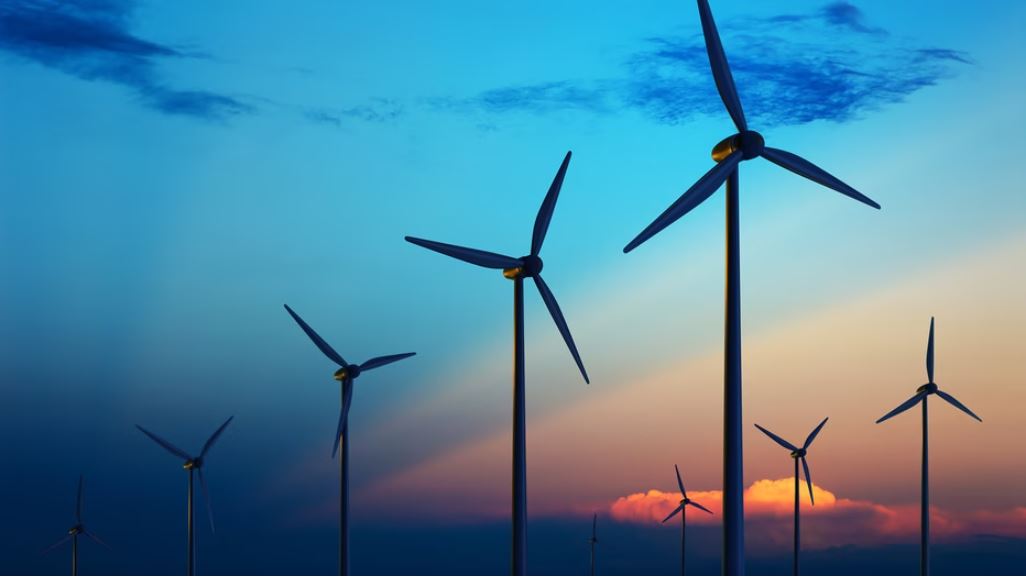
Wind energy is essentially the kinetic energy of moving air. For thousands of years, humans have used the power of wind for various purposes, such as moving sailboats or turning windmills to grind grain. Today, modern technology allows us to convert this kinetic energy into electrical energy using advanced wind turbines.
The process of generating electricity from wind is relatively simple:
- The wind blows: Wind hits the large blades of the wind turbine.
- The blades rotate: The force of the wind causes the turbine blades to rotate around a central axis. These blades are designed to start rotating even at low wind speeds.
- The rotor is set in motion: The blades are connected to a shaft, which we call the rotor. The rotation of the blades also turns the rotor.
- The gearbox increases the speed: In most turbines, the rotor is connected to a gearbox. The gearbox increases the rotation speed from the relatively low speed of the rotor to the much higher speed required for the generator. (However, some modern turbines use gearless systems).
- The generator produces electricity: The high-speed shaft output from the gearbox (or directly the rotor in gearless systems) is connected to a generator. The generator converts the rotational mechanical energy into electrical energy using the principles of electromagnetism.
- Electricity is transmitted to the grid: The electricity generated is sent through cables to transmission substations and then to the national power grid to reach consumers.
Wind turbine types and wind farms
Wind turbines are manufactured in various shapes and sizes, but the two main types, based on the direction of the axis of rotation, are:
- Horizontal-axis wind turbines (HAWT): This is the most common type of wind turbine, resembling traditional windmills with blades facing the wind. These turbines typically have two or three blades and are equipped with a yaw system to orient themselves properly into the wind, rotating the nacelle (housing for the motor and generator).
- Vertical-axis wind turbines (VAWT): These turbines are less common, and their axis of rotation is vertical. Their advantage is that they do not need to be oriented into the wind and can be installed in locations with more variable winds. However, they generally have lower efficiency compared to HAWTs.
Wind Farms are a collection of several wind turbines installed in a specific area to generate electricity in a centralized manner. These farms can be established on land (Onshore Wind Farms) or at sea and in oceans (Offshore Wind Farms). Offshore wind farms typically benefit from stronger and more stable winds at sea and can accommodate larger turbines, but their installation and maintenance costs are higher.
Advantages of wind energy
Using wind energy to generate electricity has significant advantages:
- A clean and renewable energy source: Wind is a natural and unlimited resource, and the process of generating electricity from wind does not produce any greenhouse gases or pollutants during operation. This helps reduce climate change and improve air quality.
- Reduction of dependence on fossil fuels: Generating electricity through wind energy significantly reduces the need to burn fossil fuels. This reduced dependence enhances countries’ energy security and makes them more resilient to global fossil fuel price fluctuations.
- Lower operating costs: After the initial installation, wind power plants have relatively low operating costs because their fuel (wind) is free.
- Job creation: The wind energy industry creates new job opportunities in the construction, installation, operation, and maintenance of turbines and wind farms.
- Optimal land use: The land required for installing wind turbines in onshore farms can still be used for other activities such as agriculture or livestock grazing, as the turbines occupy only a small footprint at ground level.
Challenges and considerations of wind energy.
Despite its numerous advantages, wind energy also comes with challenges and considerations:
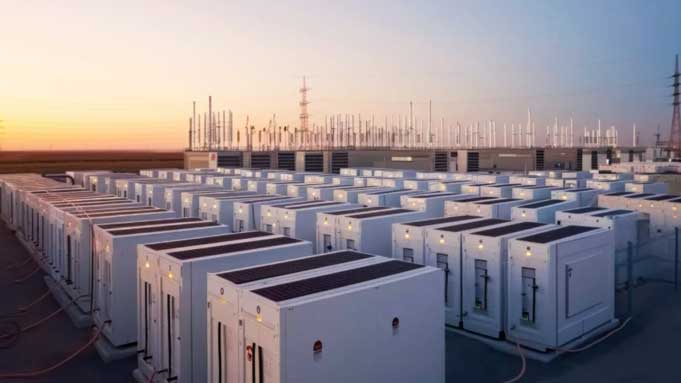
- Intermittency: Wind does not always blow at a constant speed or in all locations. Electricity generation from wind is highly dependent on the wind’s strength, speed, and consistency at a given site. This intermittency necessitates solutions such as energy storage systems (batteries) or integration with other energy sources to maintain grid stability.
- Site selection: Wind turbines require locations with suitable wind potential for high efficiency. These locations may be far from consumption centers, necessitating investment in electricity transmission lines.
- Impact on wildlife: In some cases, wind turbines can pose a risk to birds and bats. However, with advancements in technology and more precise site selection, efforts are being made to mitigate these impacts.
- Initial investment cost: The construction of wind farms, especially offshore ones, requires significant initial investment.
Global potential and status of wind energy in Iran.
The use of wind energy is rapidly advancing globally, and its share in the energy mix of many countries, particularly in Europe, North America, and Asia, has increased. Countries such as China, the United States, Germany, India, and Spain are leaders in wind power generation.
Iran, with its geographical location and windy regions, also offers significant potential for electricity generation from wind energy. Areas such as Sistan and Baluchestan, Khorasan, Azerbaijan, and the southern coasts of the country have high wind potential. In recent years, Iran has begun constructing wind farms and is taking steps to increase the share of wind energy in the country’s electricity supply. However, realizing the full utilization of this potential requires significant investment, development of transmission infrastructure, and overcoming technical and economic challenges.
Conclusion
Wind energy, as a clean and renewable energy source, plays a vital role in the world’s transition towards a sustainable energy system. Although there are challenges for this energy source, technological advancements in turbine design and the development of energy storage systems have increasingly addressed these challenges, continuously improving the efficiency and reliability of wind energy. With appropriate investment and careful planning, wind energy can significantly contribute to meeting future electricity demands, reducing greenhouse gas emissions, and fostering a greener economy. For any specialized consultation, our experts will be available to assist you.