


What is electricity? Understanding this vital energy in everyday life
Electricity is one of the most fundamental and widely used forms of energy in the modern world. Life without electricity is almost unimaginable. From lighting homes and workplaces to running factories, transportation, and communications, everything depends in some way on electricity. But what is electricity really, and how does it work?
Simple definition
Simply put, it is the movement or flow of electrically charged particles, usually electrons, through a conductor (such as a metal wire). This regular movement of charges generates electric current.
Types of electric current: static and current
Electricity can be divided into two main categories:
- Static electricity: This type of electric current is created when electrical charges accumulate on the surface of an object and do not move. Rubbing two materials together (like rubbing a balloon against hair) can cause electrons to transfer and create static electricity.
- Current electricity: This is the type of electricity we use in homes and industries. Current electricity refers to the continuous and regular motion of electric charges (electrons) in a closed path (electric circuit). This current can be in two forms:
- Direct current (DC): In this type of current, electrons move in only one direction (like batteries).
- Alternating current (AC): In this type of current, the direction of electron flow changes periodically. The electricity that comes into homes through the national grid is AC, because it is easier to transmit over long distances.
How is electricity generated?
Electric current is generated in various ways, most of which are based on converting other forms of energy into electrical energy. Some of the most common methods include:
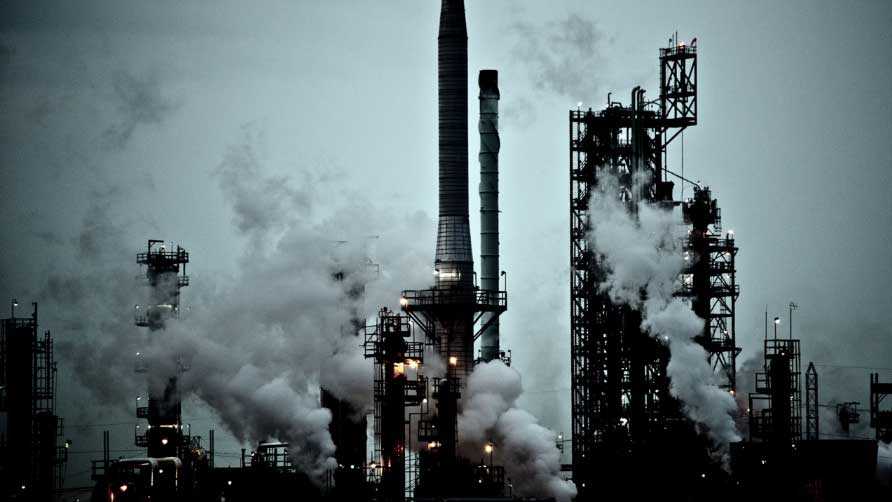
- Thermal power plants: Burning fossil fuels (oil, gas, coal) to heat water and generate steam, which turns turbines and generators to produce electricity.
- Hydroelectric power plants: Using the potential energy of water behind dams to turn turbines and generate electricity.
- Nuclear power plants: Using the energy released in nuclear fission to produce heat and steam, similar to thermal power plants.
- Renewable energies :
- Solar energy: Using photovoltaic solar panels to directly convert sunlight to electricity (DC) and then converting it to AC with an inverter.
- Wind energy: Using wind turbines to convert the kinetic energy of wind into electricity.
- Geothermal, biomass, and others…
Main components of the electric circuit
For the electric current to perform useful work, it needs a complete electric circuit that usually consists of the following components:
- Power source: Where electricity is generated (such as batteries or generators).
- Conductor: A material through which electrons can easily flow (like a copper wire).
- Consumer: A device that uses electric current to do work (like a lamp, motor, or computer).
- Switch (optional): To open or close the electric current.
The importance of electricity in modern life
Electric current is the backbone of modern society. This energy enables lighting, heating and cooling, cooking, communications (telephone, internet), transportation (trains and electric vehicles), industry, and medicine. The development and access to electricity have played a vital role in economic progress and improving quality of life worldwide.
Conclusion
Understanding what electricity is helps us better appreciate the importance of this energy and how to use it safely and efficiently. Due to increasing energy needs and environmental issues, producing electricity from renewable sources like solar and wind has become highly important for ensuring a more sustainable future for everyone.