



Electricity Storage; A Critical Technology for Energy Grid Stability
Electricity storage is one of the most important solutions for energy management in today’s world. Power grids always face fluctuations in generation and consumption. At certain hours, energy production exceeds consumption, while at other times, demand surpasses generation capacity. Storage systems manage this imbalance by storing surplus electricity for use during peak consumption periods.
This process increases grid stability, reduces power outages, and improves the quality of energy supply. Without energy storage solutions, managing modern power grids would face serious challenges.
Why is electricity storage important in the energy industry?
The growth of renewable energies such as solar and wind has multiplied the importance of electricity storage. These sources are dependent on environmental conditions and do not always produce consistently. When production increases, energy storage systems absorb the excess electricity. Then, during periods of reduced production, they release that same energy back into the grid.
This cycle enables the power grid to operate in a more balanced and predictable manner. As a result, reliance on emergency power plants decreases and consumption is managed more intelligently.
Common electricity storage methods
Battery storage
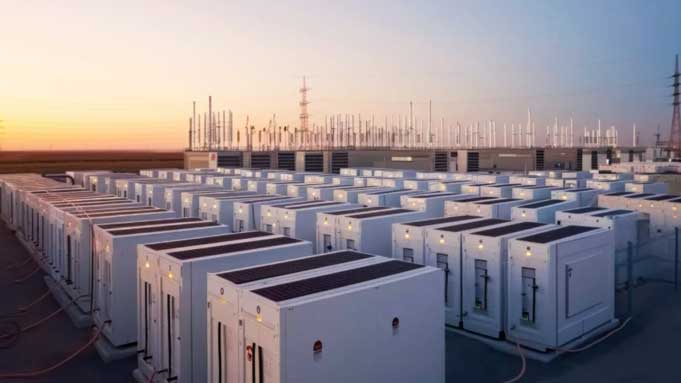
Batteries are one of the most well-known methods of storing electrical energy. These systems store energy in chemical form and convert it back to electricity when needed. Their fast response time and easy installation have made this method a popular choice at both residential and industrial scales.
Pumped hydro storage
In this method, surplus electricity is used to pump water to elevated reservoirs. When demand increases, the water flows downward, spinning turbines to generate electricity and return it to the grid. This method is used on a large scale and plays an important role in grid load management.
Other energy storage technologies
Emerging technologies such as thermal storage and compressed air systems are also under development. Each of these methods has different applications depending on geographical conditions and grid needs, contributing to greater flexibility in the energy industry.
Benefits of electricity storage for the future of energy
Electricity storage creates several key benefits:
- Increased power grid stability
- Reduced energy waste
- Better peak demand management
- Support for the development of renewable energies
- Long-term reduction in infrastructure costs
These advantages show that energy storage is not merely a supplementary technology, but an essential component of the future of the electricity industry.
The role of electricity storage in sustainable development
Intelligent energy management would be incomplete without storage systems. Countries that invest in this field will have higher competitive capability in managing energy resources. Developing energy storage infrastructure paves the way toward stable and flexible power grids.
Final Words
Electricity storage enables the energy industry to maintain balance between production and consumption and prevent grid fluctuations. With the expansion of renewable energies and rising global electricity demand, the importance of this technology has become clearer than ever. The future of power grids depends on systems capable of storing energy at the right time and releasing it when needed. Understanding this process is an important step in comprehending the structure of the modern electricity industry.