



Electricity generation from oil: The world’s main electricity supplier and the challenges ahead
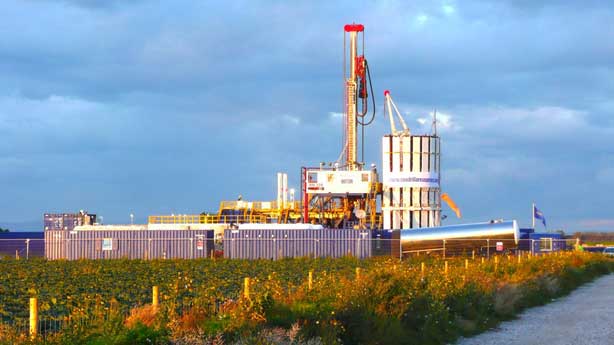
Oil, this black gold, has been known as the world’s primary source of energy for centuries. From lighting homes to moving factories, oil plays a vital role in modern life. Energy production from oil, especially electricity generation, is one of the most important uses of this fossil fuel. But this dependence also brings environmental challenges and sustainability concerns.
1. Crude Oil: The Beginning of Energy Production
Crude oil is a complex substance of hydrocarbons extracted from the depths of the earth. To produce energy from oil, this raw material must first be converted into usable products. Oil refineries, using advanced processes, convert crude oil into gasoline, diesel, fuel oil, and other petroleum derivatives. Fuel oil is one of the main fuels for thermal power plants that generate electricity.
2. Oil Power Plants: Converting Oil to Electricity
Thermal power plants that run on oil play an important role in supplying the world’s electricity. In these power plants, fuel oil is burned in boilers. The heat from burning oil converts water into high-pressure steam. This high-pressure steam drives steam turbines, and the turbines rotate electrical generators. In this way, the chemical energy of oil is converted into electrical energy.
3. Advantages of generating electricity from oil
- High reliability : Oil power plants can produce electricity continuously and reliably.
- Massive electricity production : These power plants have the ability to produce very large amounts of electricity and can meet the needs of large cities and industries.
- Technology : The technology of oil power plants is advanced due to its history of use
4. Environmental challenges of energy production from oil
Despite the advantages, energy production from oil brings serious environmental challenges:
- Greenhouse gas emissions : Burning oil releases carbon dioxide (CO2) and other greenhouse gases into the atmosphere, which are the main cause of global warming and climate change.
- Air pollution : The combustion of oil can lead to air pollution with particulate matter, nitrogen oxides, and sulfur oxides, which are harmful to human health and the environment.
- Water and soil pollution : The extraction, transportation, and refining of oil can lead to water and soil pollution.
- Limited Resources : Oil is a finite fossil resource and will eventually run out.
Moving Towards Renewable Energies : A Sustainable Solution
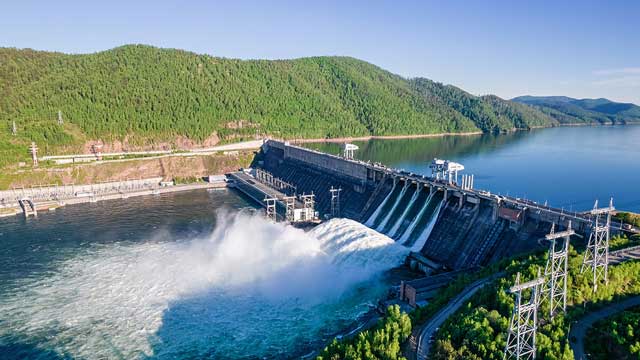
To confront environmental challenges and ensure a sustainable future, the world is gradually moving towards renewable energy sources such as solar, wind, hydro, and geothermal. These clean energy sources, unlike oil, are renewable and create less pollution. Investing in renewable energies and reducing dependence on oil is a necessary step to preserve the environment and provide sustainable energy for future generations.
Conclusion
Energy production through oil still plays an important role in supplying electricity worldwide, but its environmental challenges are undeniable. To achieve a sustainable future, it is necessary to reduce dependence on oil and to develop and expand the use of renewable energy sources. The transition to clean energy not only helps preserve the environment but also creates new opportunities for economic growth and innovation. For more information about clean energy, please refer to the Sustainable Development section.