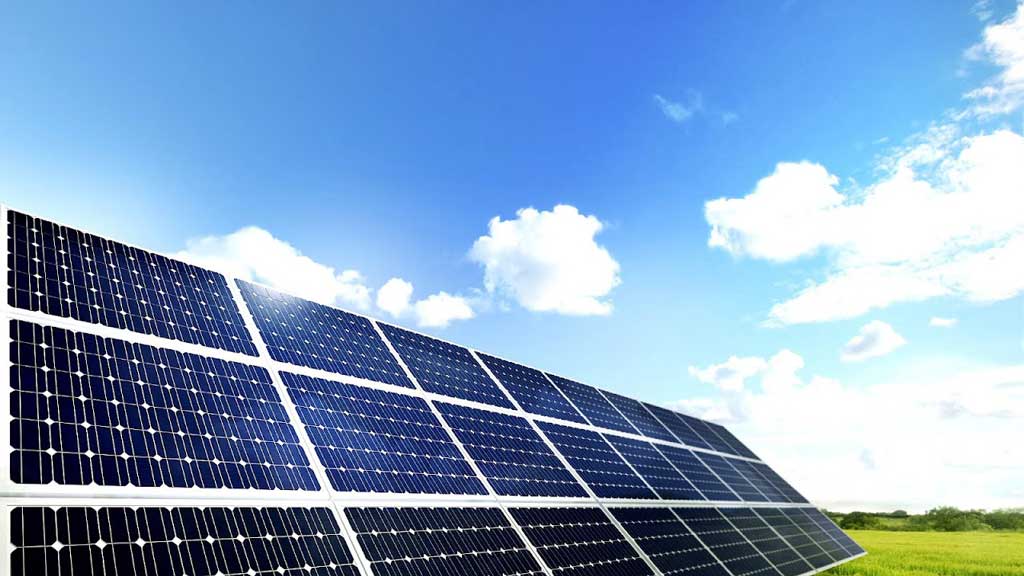
The sun, the primary source of energy in our solar system, provides not only light but also abundant heat to the Earth. Solar thermal energy refers to harnessing this heat for various applications, from heating water and spaces to generating electricity on a large scale. This form of solar energy, considered a renewable and clean energy source, plays a vital role in reducing our reliance on fossil fuels and combating climate change. In this article, we delve deeper into solar thermal energy, how it works, its types of systems, advantages, challenges, and its place in the future of energy. The fundamental principle in harnessing solar thermal energy is the absorption of solar radiation and its conversion into heat. This is typically done by devices called solar collectors. Solar collectors absorb sunlight and convert its energy into heat. This heat is then transferred to a fluid (such as water or antifreeze). This heated fluid transfers the heat to where it is needed (e.g., a hot water tank or a building heating system). A solar thermal system typically includes the following components: Solar thermal energy can be used at various scales and temperatures: Using this energy source has significant advantages: Despite its many advantages, solar thermal energy also faces challenges: Solar thermal energy will play an increasing role in the future as one of the main pillars of the transition to a sustainable energy system. This technology is not only an effective solution to meet heating needs, but with advances in heat storage technologies, it can become a reliable source for generating base load power in solar thermal power plants. Integrating solar thermal systems with other renewable sources and smart grids will ensure the security and stability of the future energy system. Solar thermal energy is a great and versatile way to harness the free heat of the sun. By solving current problems through research, advancement, and government support, solar thermal energy will certainly find a more important place among the world’s energy sources and help build a warmer (in terms of warmth, not temperature!) and cleaner future for us all. Our experts are available to answer your questions if you need advice, whether in the home or industrial sector. International Energy Agency (IEA) International Renewable Energy Agency (IRENA)
Solar thermal energy: A sustainable solution for heating and electricity generation
How does solar thermal energy work?
Main components of solar thermal systems
Types of systems and applications of solar thermal energy
Main advantages of solar thermal energy
Challenges and limitations
The role of solar thermal energy in the future of energy.
Conclusion
Resources
آخرین نوشتهها

Generating electricity through solar thermal energy
زمان مطالعه: 6 دقیقه